Search

Your Notifications (0)

There are currently no notifications. You're all set!

What's New

Explore recent and historical product updates for Revvity Signals' Cloud Native SaaS Software 

Clear All Collapse All

3 releases — this page expanded. Collapse

What’s New

We are delighted to release our new version of PhysChem Suite™, Version 2026.

Highlighted Features

  • Improved hydrogen bond calculations
  • Interactive physicochemical property visualization
  • Custom compound names in prediction reports

Administrators are recommended to subscribe to the channels within our support news site found at https://support.revvitysignals.com/hc/en-us/categories/360004446171-Support-News which contains more information about releases and other pertinent product information.

Further Details

Version 2026 introduces more chemically accurate property calculations, interactive visualization of calculated properties, and greater flexibility when generating prediction reports.

Algorithm Improvements

Improved Hydrogen Bond Calculations

You can now expect more chemically accurate hydrogen bond donor and acceptor calculations.

Improvements include:

  • Hydrogen bond donor and acceptor calculations now use chemically aware definitions rather than simple nitrogen and oxygen atom counts.
  • Sulfur atoms are now recognized as hydrogen bonding sites where appropriate.
  • Nitrogen atoms with inaccessible electron pairs, such as pyrroles and nitro groups, are no longer counted as hydrogen bond acceptors.

Ease of Use

Interactive Physicochemical Property Visualization

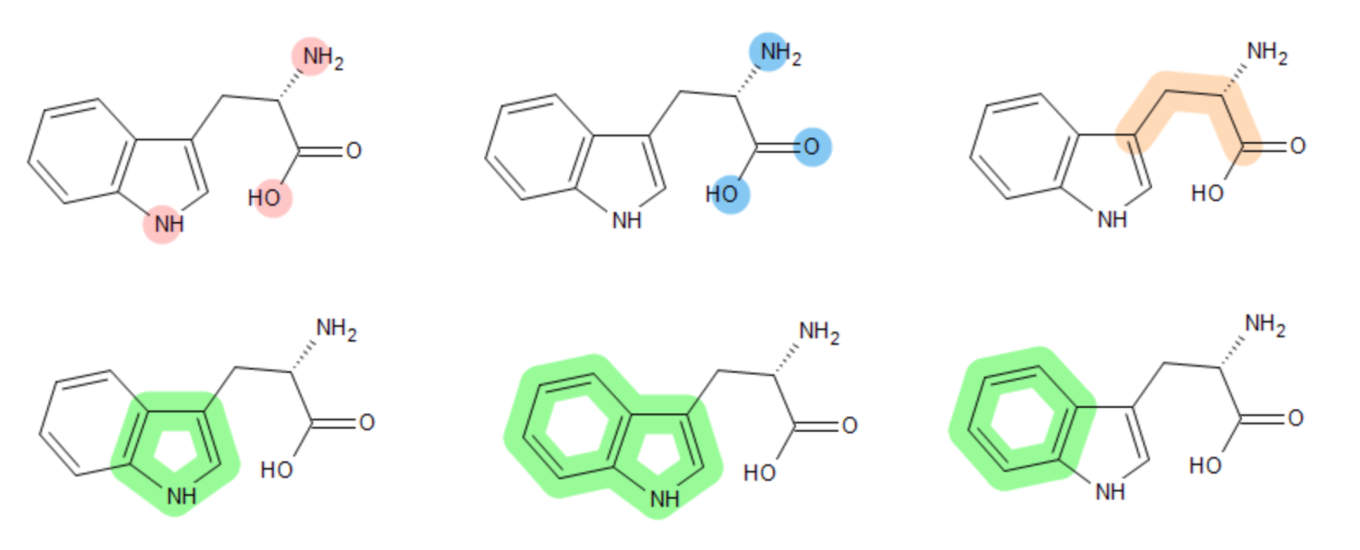
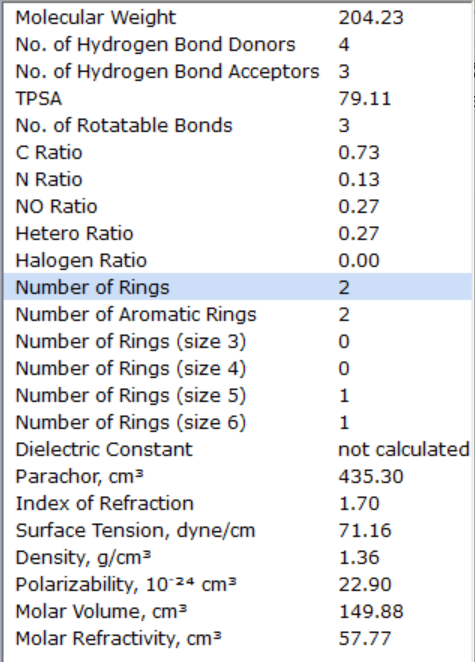
You can now interact with selected calculated properties to highlight and visualize the atoms or bonds contributing to each property.
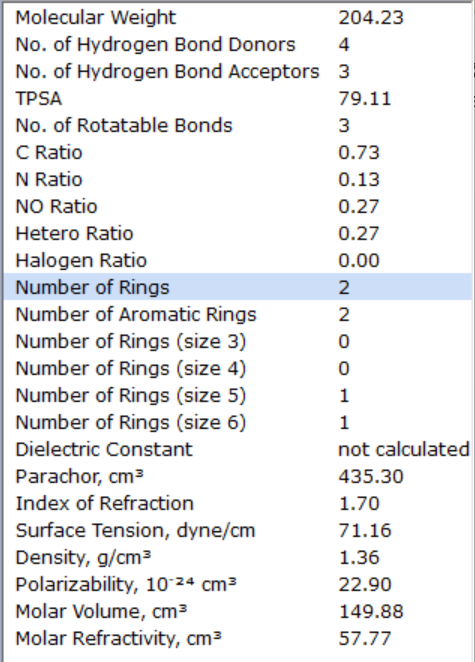
Image 1 from WN PhysChem Suite v2026.docx

Interactive highlighting is available for the following:

  • Number of Hydrogen bond donors
  • Number of Hydrogen bond acceptors
  • Number of Rotatable bonds
  • Number of Rings (also differentiated by ring size)
  • Number of Aromatic rings

Highlight the contributions of different atoms or bonds.

Reporting

Custom Compound Names in Prediction Reports

You can now customize compound names in PDF and Word prediction reports, providing greater flexibility in report preparation. Override automatically assigned names or add names when none are available.

Features include:

  • Override automatically assigned compound names with your preferred name or synonym.
  • Add custom names for compounds that cannot be automatically identified.
  • Enter custom names when generating single-compound reports.
  • Select a spreadsheet column as the source of compound names when generating batch reports.

Percepta Portal

More Flexible Project Import and Merging

You can now combine data from multiple Spreadsheet projects more efficiently while maintaining existing project structures. New import and merge options give you greater control over how compounds, data fields, and duplicate information are matched, helping reduce manual data management when consolidating projects.

  • Link matching columns between projects to populate existing fields instead of creating duplicates.
  • Merge projects by matching data fields or chemical structures, with configurable structure matching criteria.
  • Control how conflicting or unmatched data is handled and preview merge results before importing.

Note: Existing projects created in earlier software versions must be upgraded to generate the structure metadata required for structure-based project merging.

Greater Control Over User and Project Management

You can now manage users, projects, and permissions with greater flexibility across your organization. Expanded authentication, permission, and account management capabilities make it easier to administer shared environments while giving users greater visibility of the projects and resources available to them.

  • Configure multiple OpenID providers and automatically assign users to groups based on their authentication method.
  • Manage user access more effectively with suspended accounts and more granular permissions.
  • Find projects more easily by owner and see how workspace licenses are assigned through user groups.
  • Give regular users greater control over their own account information and visibility of shared projects, group memberships, and licensed workspaces.

Ease of Use

You can now complete everyday tasks more efficiently with a range of workflow improvements throughout Percepta Portal. Updates to reporting, spreadsheet editing, and molecular input and output tools help streamline routine activities and reduce the risk of errors.

  • Identify expression elements and syntax errors more easily with syntax highlighting in the Expression Editor.
  • Avoid unintended deletion of dependent calculations with additional warnings.
  • Generate PDF reports for all compounds in a project using batch reporting.
  • Copy molecular structures as SMILES or exchange structures using InChI notation.

Simplified Deployment and Administration

You can now deploy and maintain Percepta Portal more easily with updates designed to improve compatibility, reduce deployment dependencies, and simplify software administration.

  • Improved startup health checks simplify deployment and container management.
  • Automatic compatibility checks help prevent issues caused by incompatible MongoDB or Percepta Kernel versions.
  • Updated framework components provide improved Java 17 support.
What’s New

We are delighted to release our new version of Percepta® Suite, Version 2026.

Highlighted Features

  • New P-gp IC50 prediction module.
  • Enhanced Ames test predictor.

Administrators are recommended to subscribe to the channels within our support news site found at https://support.revvitysignals.com/hc/en-us/categories/360004446171-Support-News which contains more information about releases and other pertinent product information.

Further Details

Version 2026 introduces a new quantitative P-gp IC50 prediction module, improved Ames Test prediction accuracy, and enhancements to core PhysChem functionality.

Algorithm Improvements

New P-gp IC50 Prediction Module

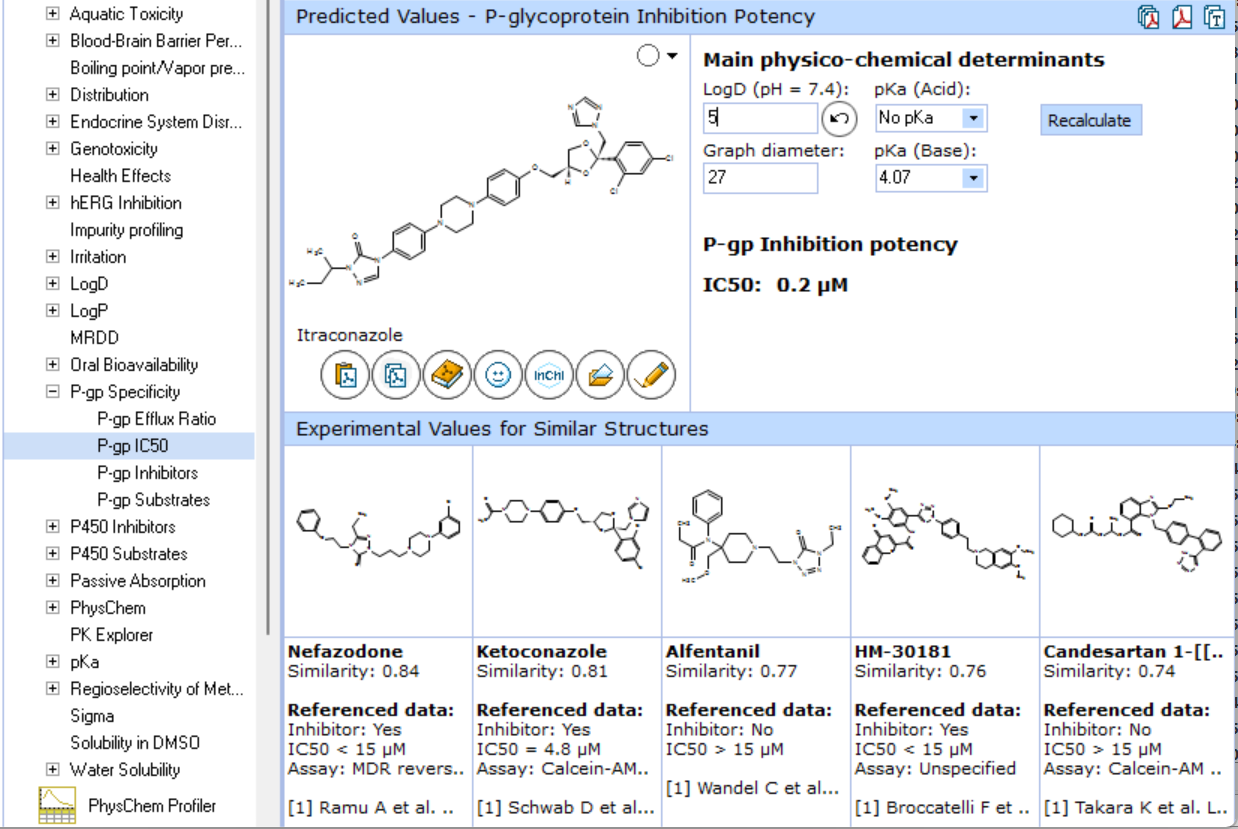
You can now predict P-glycoprotein inhibition potency using a dedicated P-gp IC50 module to support ADME evaluation in addition to predicting quantitative efflux ratios (implemented in V2025).

The rule-based P-gp inhibition model has been replaced by a dedicated P-gp IC50 submodule with the following features:

  • Predictions are based on key physicochemical and topological parameters and returned in quantitative half-inhibitory constants (IC50).
  • Editable text boxes displaying predicted descriptor values, with the option to manually enter experimental values to refine predictions or explore the effect of property changes on inhibitory potency.
  • Similar structure listing shows experimental IC50 values, inhibitor/non-inhibitor classification, assay type, and references.
Image 1 from WN Percepta Suite v2026.docx

Predict P-gp IC50 values and view experimental IC50 values for similar structures.

Enhanced Ames Test Predictor

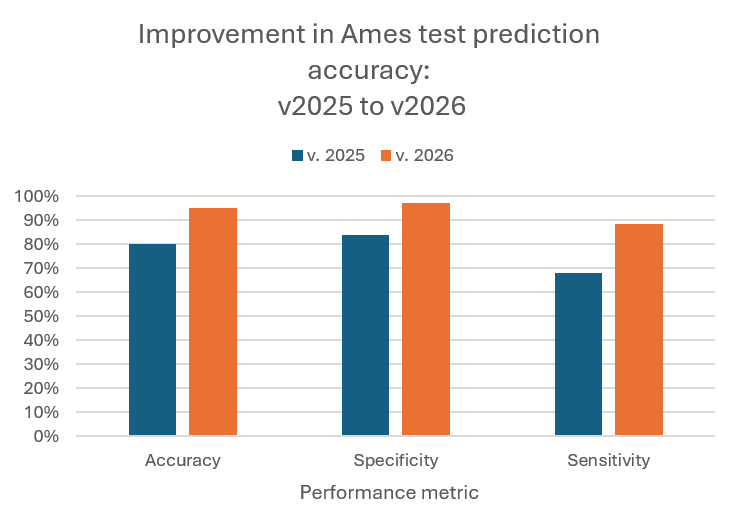
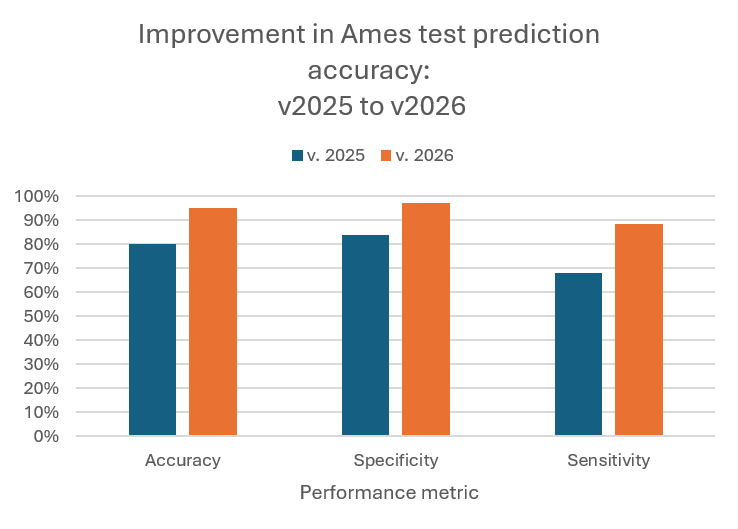
You can now expect greater accuracy of the Bacterial Composite (Procaryote Mutagenicity) predictor. Improvements include:

Image 2 from WN Percepta Suite v2026.docx
  • Significant expansion with experimental data for ~7000 new compounds (64% increase in database size).
  • Integration of data from a large comparative study combining multiple public genotoxicity databases.
  • Additional curation of experimental results to resolve conflicting data from different sources.

Improved Hydrogen Bond Calculations

You can now expect more chemically accurate hydrogen bond donor and acceptor calculations.

Improvements include:

  • Hydrogen bond donor and acceptor calculations now use chemically aware definitions rather than simple nitrogen and oxygen atom counts.
  • Sulfur atoms are now recognized as hydrogen bonding sites where appropriate.
  • Nitrogen atoms with inaccessible electron pairs, such as pyrroles and nitro groups, are no longer counted as hydrogen bond acceptors.

Ease of Use

Interactive Physicochemical Property Visualization

You can now interact with selected calculated properties to highlight and visualize the atoms or bonds contributing to each property.

Image 3 from WN Percepta Suite v2026.docx

Interactive highlighting is available for the following:

  • Number of Hydrogen bond donors
  • Number of Hydrogen bond acceptors
  • Number of Rotatable bonds
  • Number of Rings (also differentiated by ring size)
  • Number of Aromatic rings

Highlight the contributions of different atoms or bonds.

Reporting

Custom Compound Names in Prediction Reports

You can now customize compound names in PDF and Word prediction reports, providing greater flexibility in report preparation. Override automatically assigned names or add names when none are available.

Features include:

  • Override automatically assigned compound names with your preferred name or synonym.
  • Add custom names for compounds that cannot be automatically identified.
  • Enter custom names when generating single-compound reports.
  • Select a spreadsheet column as the source of compound names when generating batch reports.

Percepta Portal

More Flexible Project Import and Merging

You can now combine data from multiple Spreadsheet projects more efficiently while maintaining existing project structures. New import and merge options give you greater control over how compounds, data fields, and duplicate information are matched, helping reduce manual data management when consolidating projects.

  • Link matching columns between projects to populate existing fields instead of creating duplicates.
  • Merge projects by matching data fields or chemical structures, with configurable structure matching criteria.
  • Control how conflicting or unmatched data is handled and preview merge results before importing.

Note: Existing projects created in earlier software versions must be upgraded to generate the structure metadata required for structure-based project merging.

Greater Control Over User and Project Management

You can now manage users, projects, and permissions with greater flexibility across your organization. Expanded authentication, permission, and account management capabilities make it easier to administer shared environments while giving users greater visibility of the projects and resources available to them.

  • Configure multiple OpenID providers and automatically assign users to groups based on their authentication method.
  • Manage user access more effectively with suspended accounts and more granular permissions.
  • Find projects more easily by owner and see how workspace licenses are assigned through user groups.
  • Give regular users greater control over their own account information and visibility of shared projects, group memberships, and licensed workspaces.

Ease of Use

You can now complete everyday tasks more efficiently with a range of workflow improvements throughout Percepta Portal. Updates to reporting, spreadsheet editing, and molecular input and output tools help streamline routine activities and reduce the risk of errors.

  • Identify expression elements and syntax errors more easily with syntax highlighting in the Expression Editor.
  • Avoid unintended deletion of dependent calculations with additional warnings.
  • Generate PDF reports for all compounds in a project using batch reporting.
  • Copy molecular structures as SMILES or exchange structures using InChI notation.

Simplified Deployment and Administration

You can now deploy and maintain Percepta Portal more easily with updates designed to improve compatibility, reduce deployment dependencies, and simplify software administration.

  • Improved startup health checks simplify deployment and container management.
  • Automatic compatibility checks help prevent issues caused by incompatible MongoDB or Percepta Kernel versions.
  • Updated framework components provide improved Java 17 support.
What’s New

We are delighted to release our new version of Impurity Profiling Suite ™, Version 2026.

Highlighted Features

  • Enhanced Ames test predictor.
  • Streamlined ICH M7 classification.

  • Improved CPCA categorization of N-Nitrosamines.

Administrators are recommended to subscribe to the channels within our support news site found at https://support.revvitysignals.com/hc/en-us/categories/360004446171-Support-News which contains more information about releases and other pertinent product information.

Further Details

Version 2026 introduces improvements to ICH M7 classification workflows, enhanced N-nitrosamine CPCA categorization, expanded literature references, and a major update to the Ames Test predictor training library.

Algorithm Improvements

Enhanced Ames Test Predictor

You can now expect greater accuracy of the Bacterial Composite (Procaryote Mutagenicity) predictor.

Image 1 from WN Impurity Profiling Suite v2026.docx

Improvements include:

  • Significant expansion with experimental data for ~7000 new compounds (64% increase in database size).
  • Integration of data from a large comparative study combining multiple public genotoxicity databases.
  • Additional curation of experimental results to resolve conflicting data from different sources.

Classification

Streamlined ICH M7 Classification

  • You can now perform ICH M7 assessments more efficiently with clearer classification outputs, improved reporting, and enhanced handling of parent-derivative analyses. You can expect greater transparency and simplified interpretation of ICH M7 results.
  • Key improvements include:
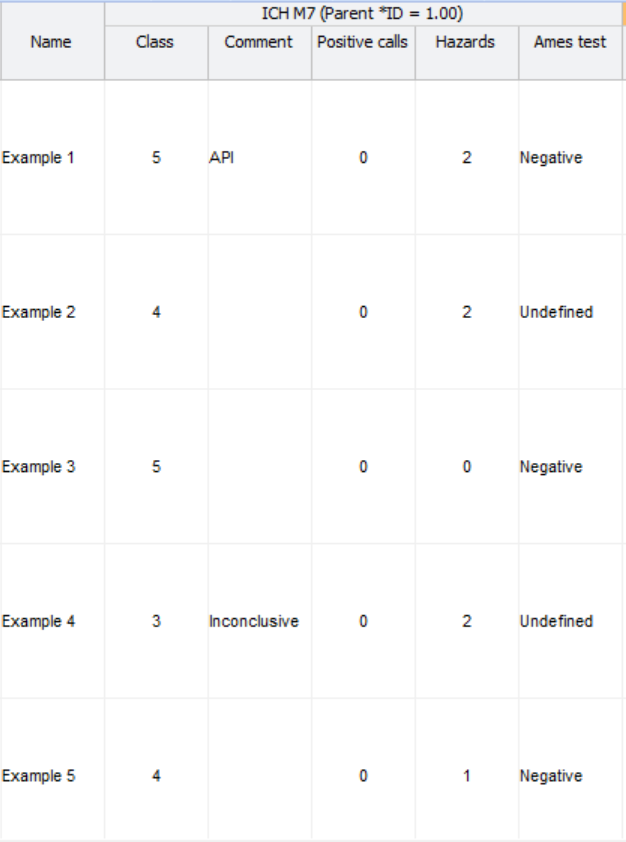
    • ICH M7 calculations in Spreadsheet now include an additional Ames test field displaying the final mutagenicity prediction (Positive, Negative, or Undefined) in a simple text format.
    • In parent-derivative analyses, the parent molecule is now clearly identified as the API, reducing ambiguity and ensuring it is evaluated independently from its derivatives.
    • Compounds with inconclusive predictions are now assigned Class 3 rather than returning a numerical value of "0", helping ensure potentially relevant compounds receive appropriate attention while clearly indicating when expert review may change the outcome.
    • PDF reports now include more detailed explanations of classification comments to support interpretation and decision making.
    • Experimental Ames negative data can now take precedence over positive findings in other endpoints, enabling Class 5 assignments where appropriate.
Image 2 from WN Impurity Profiling Suite v2026.docx

Experimental Ames negative data enables Class 5 assignments where appropriate.

Improved CPCA categorization of N-Nitrosamines

  • You can expect better alignment of Impurity Profiling Suite results with publicly available FDA reference data when assessing N-nitrosamine impurities. The CPCA categorization algorithm for N-nitrosamines has been revised to more closely match the methodology used to generate FDA-published CPCA scores and category assignments.*

* Minor differences may still occur due to differences in tautomer handling and software architecture.

Ease of Use

Additional Reference Information for Supporting Data

You can now view the references for supporting experimental data sources directly in the Impurity Profiling module interface and ICH M7 classification reports for:

  • Similar structure listing for Ames Test.
  • TD50 listings for Rat Composite and Mouse Composite Carcinogenicity, which now also indicate when data has been obtained from the Carcinogenic Potency Database (CPDB).