What’s New
We're delighted to introduce ChemDraw Desktop 26.1, which delivers enhancements that improve security, administrative flexibility, and chemistry workflows. This release adds support for modern authentication standards, expanded deployment controls for administrators, and improvements to structure naming and editing capabilities. We have also addressed several bugs and usability issues to provide a more seamless experience.
ChemDraw Desktop
- Authentication & Administration Improvements
- Chemistry & Drawing Improvements
ChemDraw Desktop
Authentication & Administration Improvements
Administrators can now disable automatic updates for ChemDraw Desktop deployments. This provides greater control over software rollout and validation processes in regulated or managed IT environments. Configuration options are available for both Windows and macOS deployments.
ChemDraw for Excel now prompts users to sign in only when ChemDraw functionality is accessed. Previously, users were prompted to authenticate whenever Excel was launched with the add-in installed.
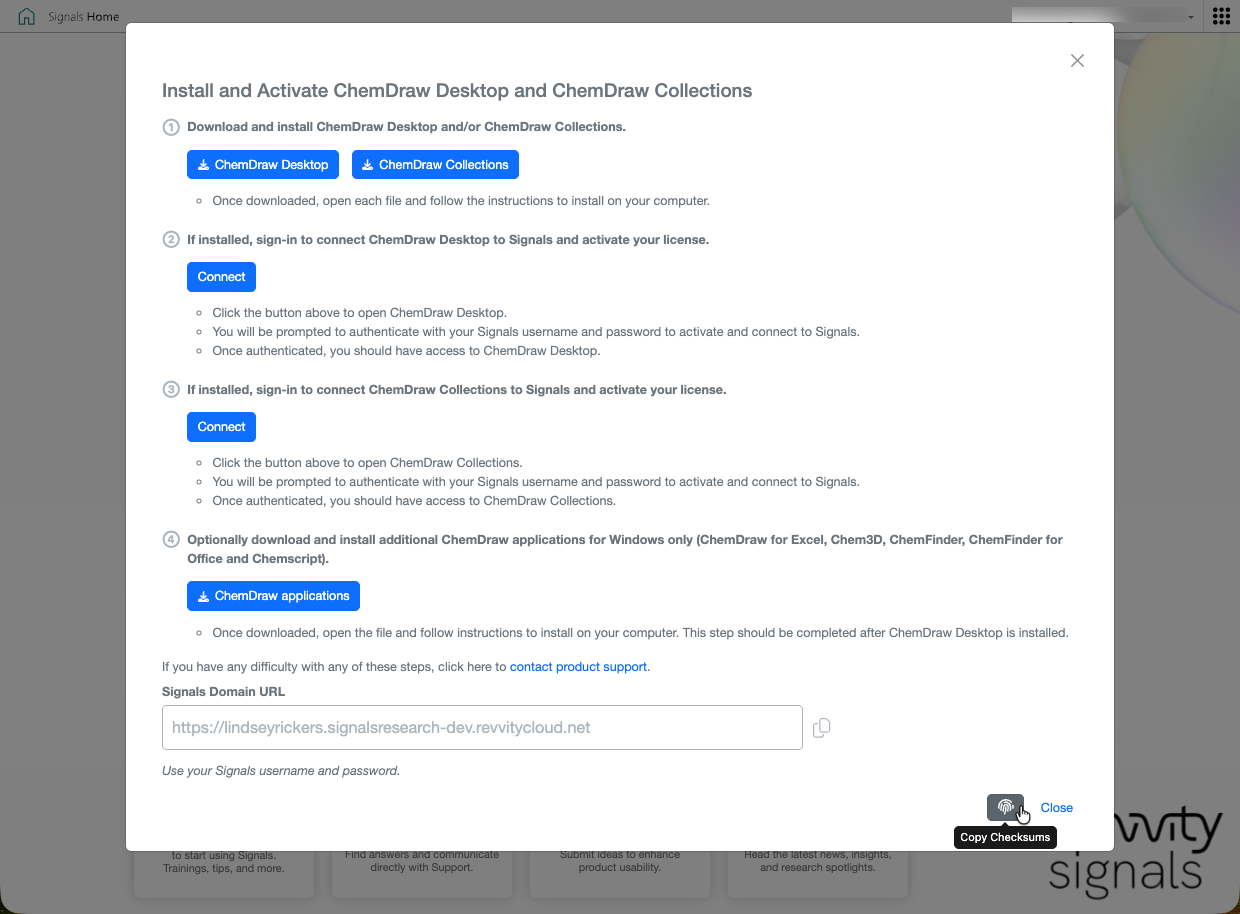
Signals ChemDraw now supports Proof Key for Code Exchange (PKCE) authentication when signing into Signals. This enhancement improves compatibility with modern authentication standards and organizational security requirements.
Chemistry & Drawing Improvements
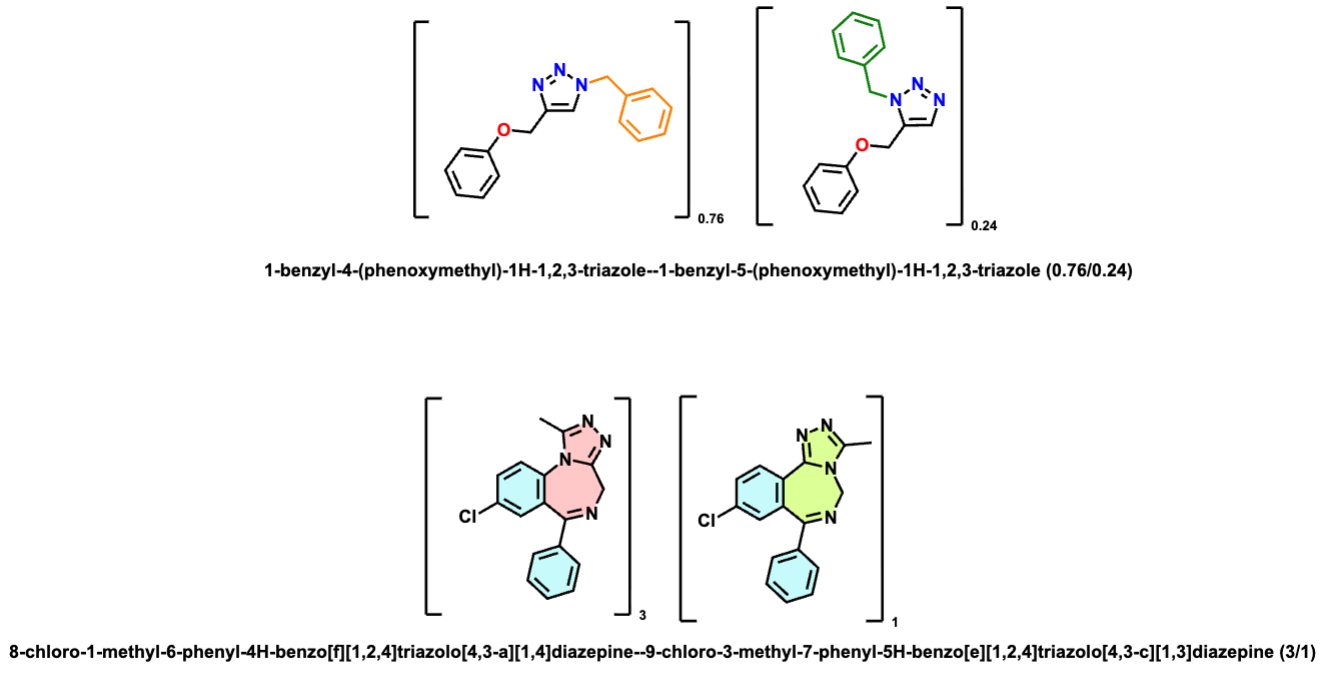
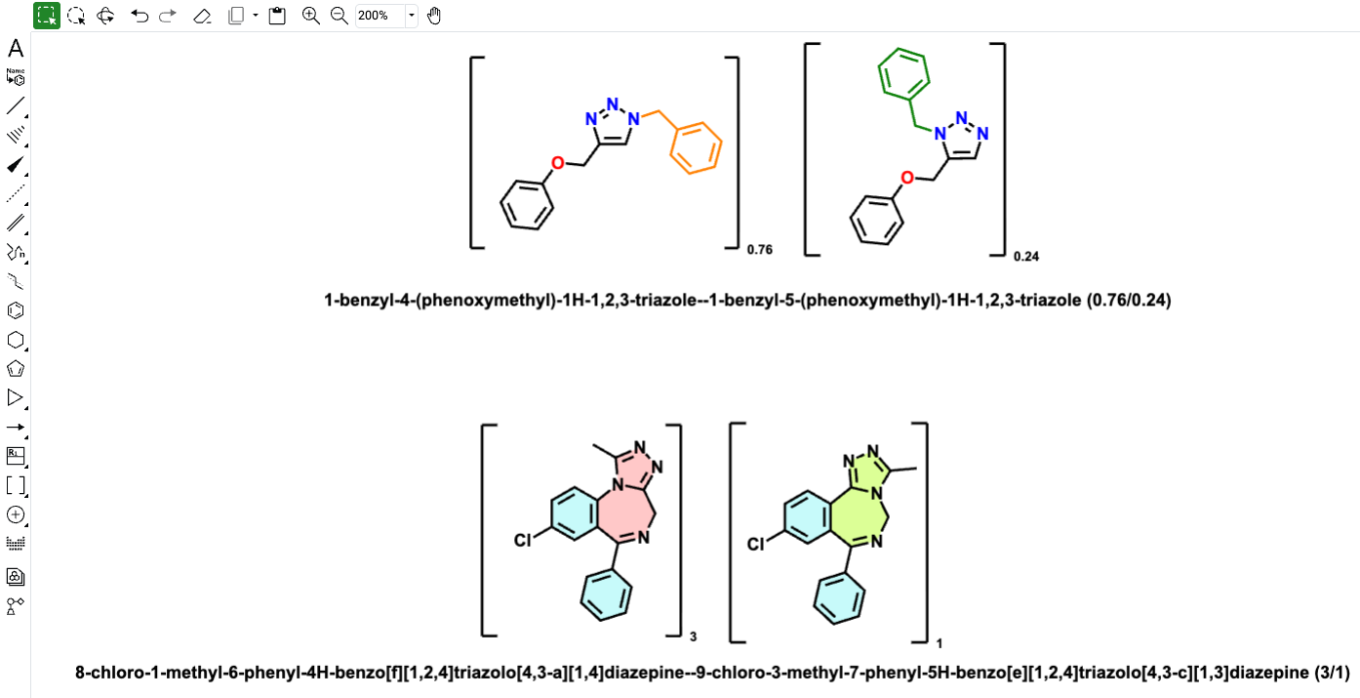
ChemDraw naming capabilities have been expanded to support mixtures containing non-integral component ratios. This improves handling of chemically relevant mixtures and generates more accurate nomenclature for these structures.
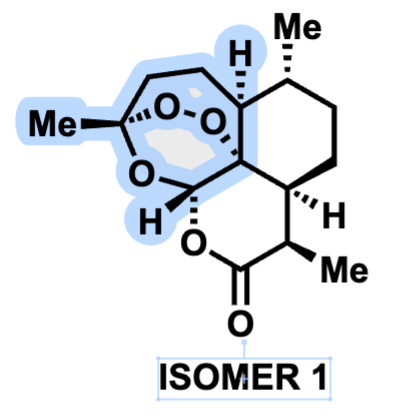
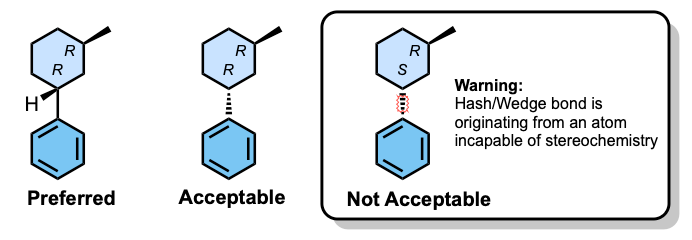
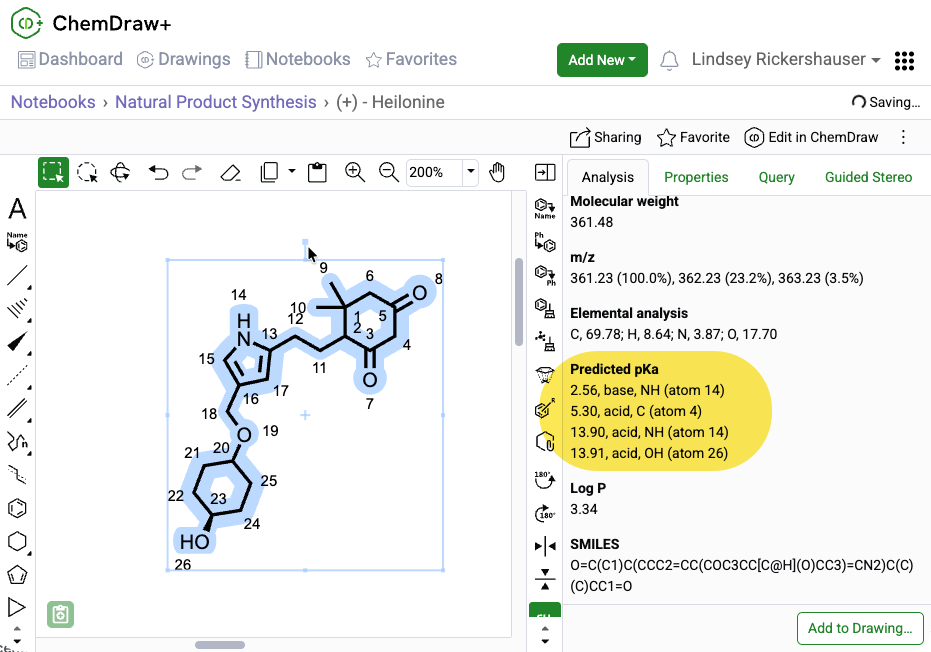
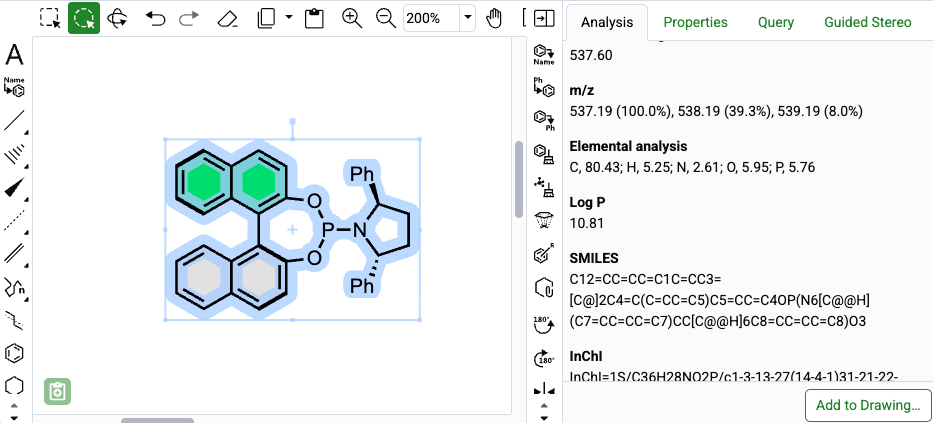
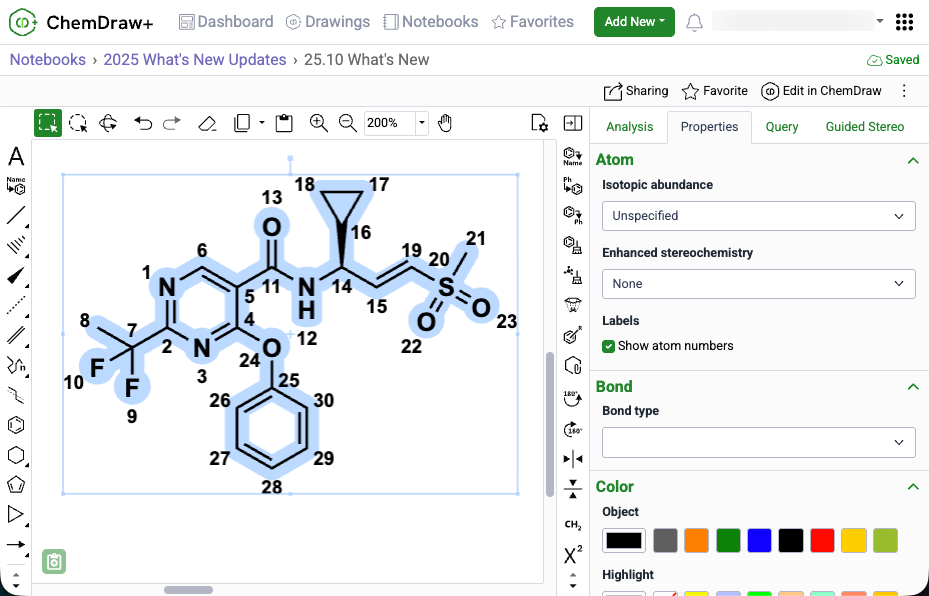
When a structure contains an attached data label, selecting the label now automatically highlights the atoms associated with that label. This makes it easier to identify the portion of the structure represented by the selected data.
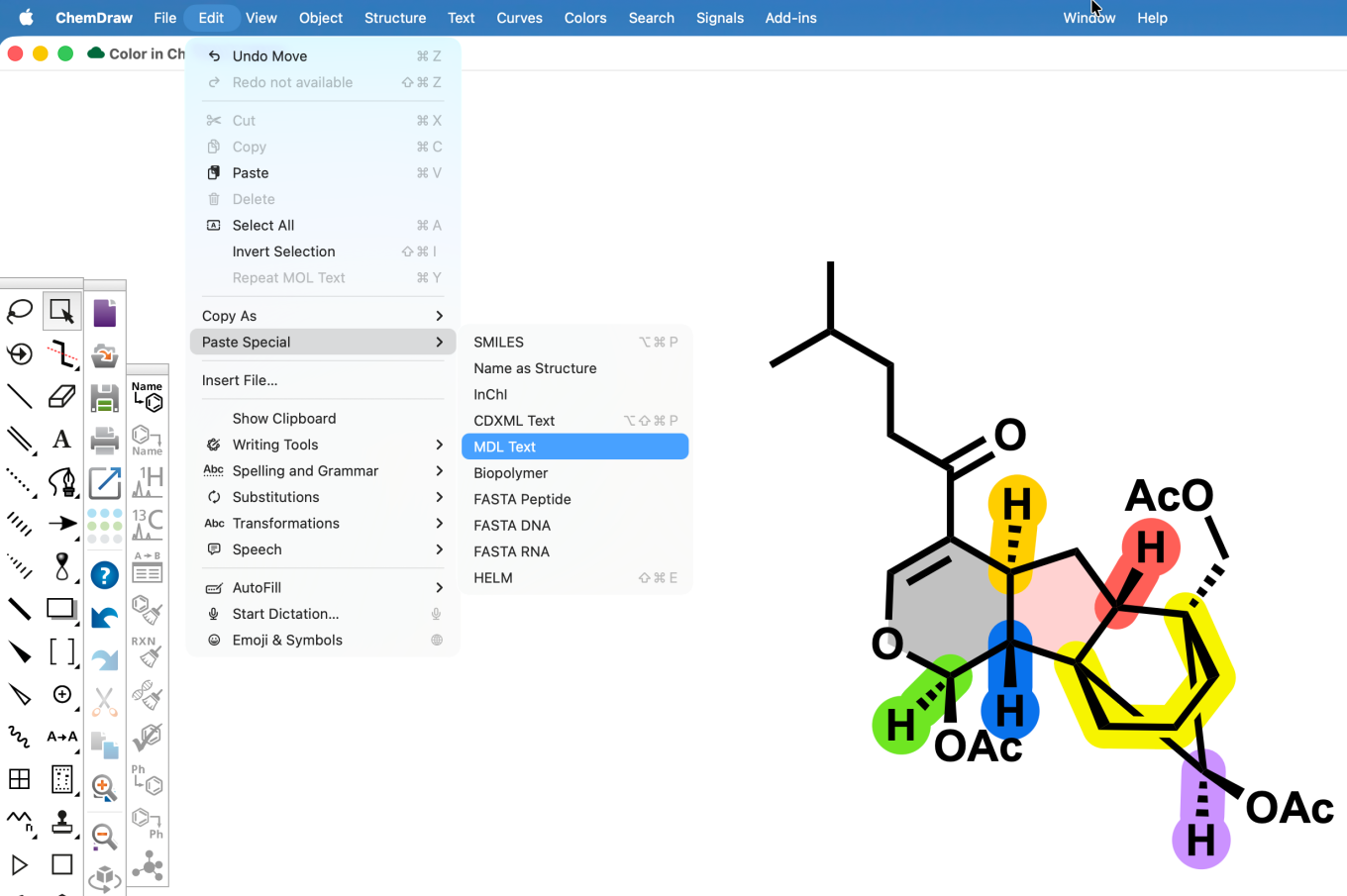
The Edit > Paste Special menu has been updated to provide separate options for CDXML Text and MDL Text. Previously, both formats were combined into a single menu item. The existing keyboard shortcut remains associated with CDXML Text, while MDL Text is available as a separate option.